

2025 Polk County Development Projects That Will Impact Property Values
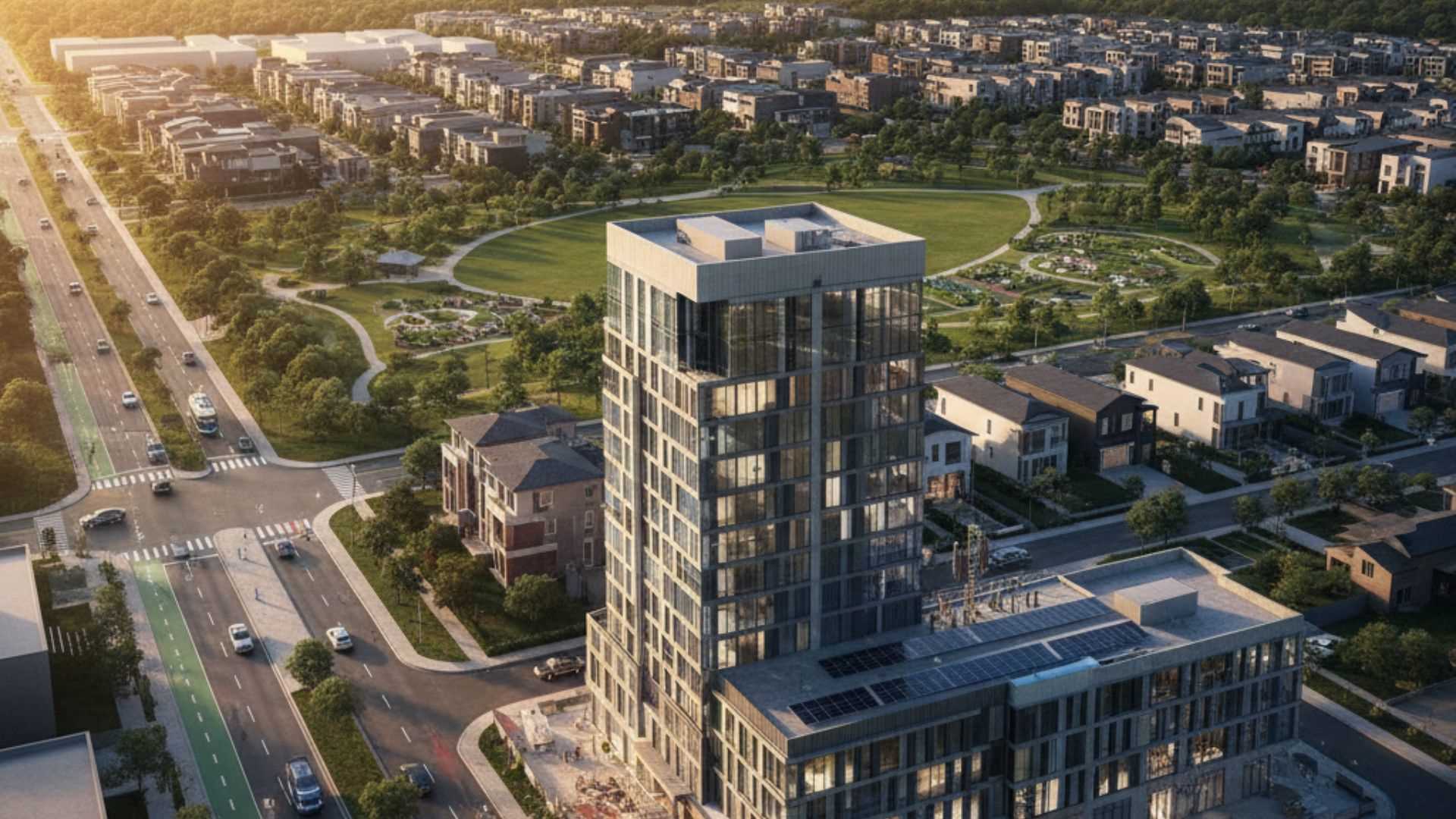
Polk County continues to position itself as one of Central Florida’s most closely watched growth corridors. As population inflows remain strong, several confirmed and proposed development projects scheduled through 2025 are expected to influence property values, commute patterns, and neighbourhood desirability.
For buyers, investors, and homeowners, understanding where growth is planned is essential to making informed real estate decisions.
SunRail Extension Plans and Impact Areas
One of the most closely monitored initiatives is the proposed extension of SunRail into Polk County. While final timelines remain subject to state and regional approvals, planning discussions have focused on potential service connections near Lakeland and surrounding employment hubs.
If advanced, this expansion would significantly improve commuter access to the Orlando metropolitan area. Neighbourhoods within reasonable proximity to future stations are likely to see increased buyer interest, particularly among professionals seeking transit-supported living options. Historically, rail-adjacent development has supported higher demand and stronger long-term value retention.
New Shopping and Dining Developments
According to reporting from The Ledger and recent city council minutes, several mixed-use and commercial projects are moving forward across Lakeland, Winter Haven, and Davenport.
These developments include new retail plazas, dining districts, and service-oriented commercial spaces designed to support growing residential populations. In real estate terms, access to nearby amenities often translates into stronger neighbourhood appeal, especially for buyers prioritizing walkability and convenience.
Commercial investment also signals municipal confidence in long-term growth, which can positively influence surrounding residential property values.
School Expansions and Infrastructure Improvements
Polk County Public Schools have identified the need for new campuses, expansions, and capacity upgrades in response to sustained enrolment growth. Planned investments include new elementary and secondary schools, as well as modernization projects for existing facilities.
For families and long-term residents, school infrastructure remains a critical value driver. Neighbourhoods located within well-supported school zones often experience more stable demand and reduced market volatility over time.
Infrastructure spending also extends beyond education, with ongoing improvements to utilities, drainage, and public facilities supporting broader development goals.
Road Projects and Commute Efficiency
Transportation improvements remain central to Polk County’s growth strategy. Several road-widening and interchange projects are underway or planned, particularly along key corridors connecting residential areas to employment centres.
Reduced commute times can reshape buyer behaviour. Areas previously viewed as secondary options may become more attractive once accessibility improves. These shifts often precede price appreciation, especially when combined with residential and commercial development.
Neighbourhoods Positioned for Appreciation
Based on current planning activity, neighbourhoods near Lakeland’s growth corridors, Winter Haven’s redevelopment zones, and Davenport’s residential expansion areas appear well positioned for future appreciation.
Buyers evaluating these markets should focus on proximity to planned infrastructure, access to amenities, and long-term municipal investment patterns rather than short-term market fluctuations.